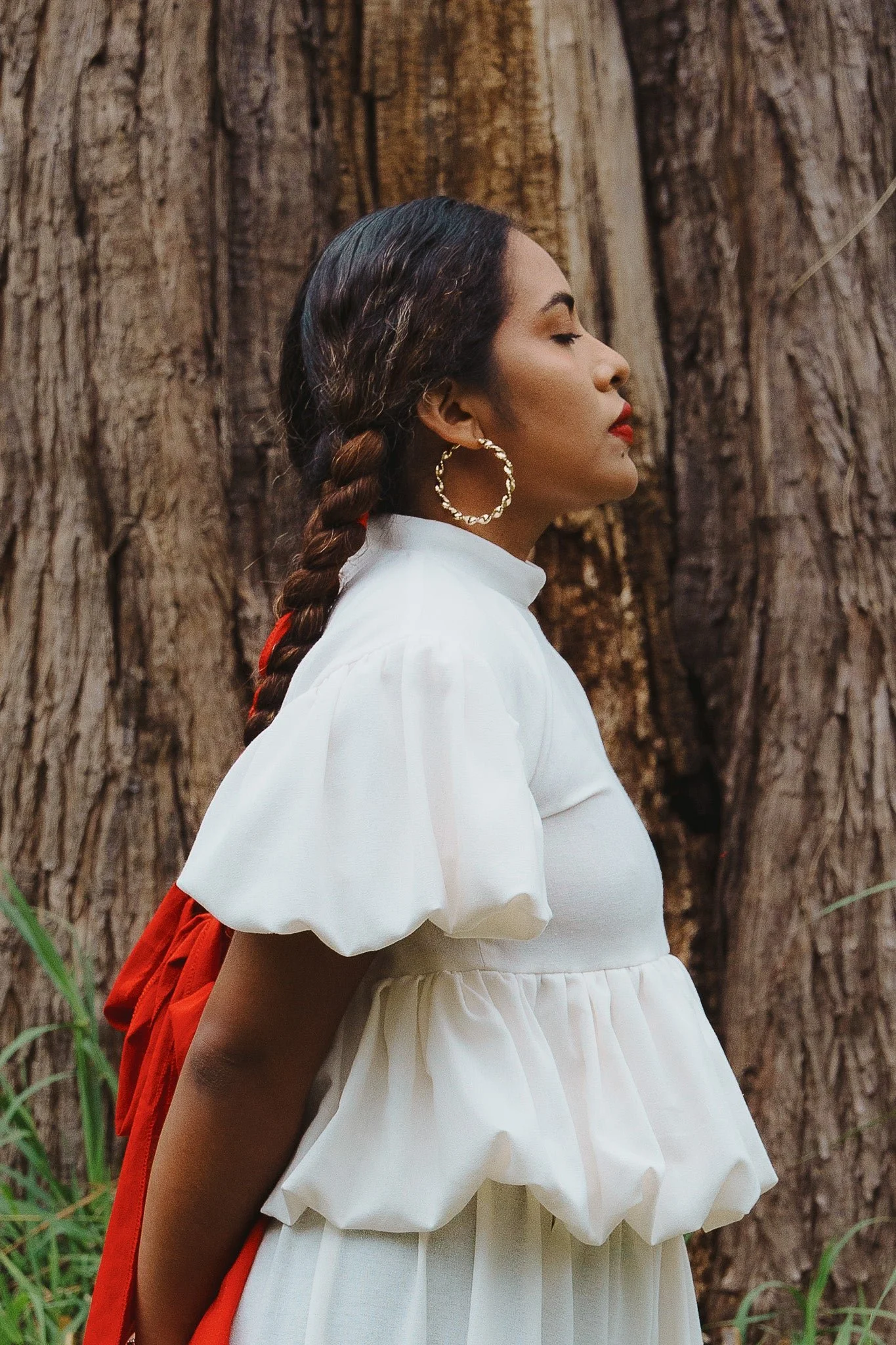
Beyond occasionwear and traditional silhouettes, a new generation of Mexican designers is showing how craftsmanship, cultural identity, and contemporary fashion can exist in the same wardrobe. Cadena Collective is helping bring their work into focus.
There's something particularly interesting about a piece of clothing that makes you look twice.
Not because it's covered in embellishments or demands attention, but because there's a detail you don't immediately recognize. An unfamiliar embroidery pattern. A sleeve with unexpected volume. A print that references an artistic tradition rather than another runway trend.
These are the kinds of details that make getting dressed interesting.
In contemporary Mexican fashion, they're also part of a much larger conversation about design, heritage, and who gets to define what modern luxury looks like.
Mexican craftsmanship has long influenced fashion, but independent designers are increasingly presenting that craftsmanship on their own terms. They're creating clothes that don't fit neatly into the categories of traditional dress or contemporary ready-to-wear.
Instead, the two influence each other.
And perhaps the most compelling thing about these designs is that they don't have to be reserved for a wedding, cultural celebration, or vacation. They can belong in an everyday wardrobe.
A Different Perspective on Mexican Fashion
One company making this kind of fashion more accessible in the United States is Cadena Collective.
Founded by sisters Alejandra and Mabel Aguirre Jimenez, Cadena is a curated marketplace featuring independent Mexican and Latin American designers.
Its name comes from Calle Cadena, the street where the sisters spent their early childhood in Mexico before moving to the United States.
That detail provides some insight into the philosophy behind the business.
Rather than separating their Mexican heritage from their American lives, the sisters built a company around the experience of belonging to both.
The result isn't a conventional clothing brand producing a single recognizable aesthetic. Cadena brings together independent makers with different design languages, specialties, and techniques.
Its selection includes contemporary dresses, embroidered blouses, sculptural separates, leather goods, and accessories.
In October 2026, Cadena became a Certified B Corporation. That same month, the business opened a physical showroom in Dallas, marking another step in its growth from an online marketplace into a destination for independent Latin American design.
The timing feels significant.
As fashion continues to reconsider mass production, craftsmanship, and the value of original design, Cadena's approach offers something different: individual garments connected to identifiable designers and makers.
And looking closely at the clothes reveals why that distinction matters.
The White Blouse That Doesn't Need a Statement Necklace
Consider the Habitat Top by Olivardo.
At first glance, it's a white blouse. But its construction is anything but ordinary.
A Mandarin collar creates a clean, architectural neckline. Balloon sleeves introduce volume, while a soft ruffle at the hem changes the shape of the body. Across the shoulder, a single embroidered hummingbird interrupts the otherwise understated design.
It's an interesting exercise in restraint.
The embroidery isn't repeated across every available surface. The designer allows the shape of the blouse to do much of the work.
The result is a piece that offers several ways to approach styling.
With high-waisted black trousers and narrow leather sandals, the voluminous sleeves become the main focus. The contrast between the structured pants and softer upper silhouette gives the outfit definition.
With straight-leg denim and understated heels, the blouse takes on a more relaxed character without losing its distinctive shape.
I'd avoid adding a large necklace. The collar and shoulder embroidery already create enough visual interest around the upper body.
This is the difference between wearing an interesting blouse and building an outfit that allows the blouse to be interesting.
The product's fabric composition is also worth examining: it's a substantial linen-cotton-polyester blend rather than a lightweight pure-linen shirt. That helps explain its more structured appearance.
For shoppers who value shape and construction, those details matter much more than a garment simply being labeled artisanal.
A Modern Interpretation of the Huipil
Another piece that deserves a closer look is the Linen Betaza Huipil by Bee Staz.
Produced in San Melchor Betaza, Oaxaca, the top takes the form of a relaxed, cropped linen blouse with a soft V-neckline.
Its most significant detail is a series of rhombus motifs that the maker describes as butterflies, symbolizing dawn in the local textile tradition.
What I find interesting about this piece is how naturally its silhouette fits into a contemporary wardrobe.
The blouse doesn't rely on elaborate styling to feel relevant.
Its short length lends itself to high-waisted trousers, while the relaxed body creates a softer contrast against a fitted skirt.
For a polished daytime look, I'd choose the black version with ivory wide-leg trousers, flat leather sandals, and a simple handbag.
The neutral palette keeps the attention on the textile details rather than introducing competing patterns.
It's also worth understanding how the garment is made. The product description identifies the rhombus stitching as machine-assisted and guided by the maker, rather than suggesting every stitch is created entirely by hand.
That distinction doesn't diminish the design. It makes the description more precise.
When we talk about craftsmanship, knowing the actual techniques involved is part of appreciating the work.
The Dress That Makes a Case for Color
Not every compelling piece of Mexican fashion needs to be understated.
The Naila Midi Dress by Bee Staz takes a different approach.
Made in San Melchor Betaza, Oaxaca, the dress features an A-line skirt, three-quarter sleeves, and carefully arranged fabric folds that introduce texture across the garment.
The fuchsia version is particularly striking.
Its color is unapologetic, but the overall silhouette remains controlled. Rather than relying on cutouts or dramatic asymmetry, the dress creates interest through proportion, fabric, and surface detail.
It's made from 100% manta cotton and includes machine embroidery guided by hand.
One of the things I'd pay particular attention to when styling a dress like this is the waist.
The generous shape is beautiful on its own, but a narrow belt could introduce additional definition for someone who prefers a more tailored silhouette.
For daytime, I'd pair it with minimal leather sandals and a structured handbag.
For a dinner or event, metallic heels and sculptural earrings would provide enough contrast without overwhelming the dress.
There is one practical consideration: the brand specifies that the dress is unlined and that a belt is not included.
Those details are important when evaluating a garment for actual wear, particularly at this price point.
The point isn't that every dress should flatter everyone in the same way. It's understanding how its construction affects the finished look and deciding whether that design works for your personal style.
When a Print Is More Than a Print
Perhaps the most conceptually interesting piece in Cadena's clothing collection is the Black Amate Pleated Skirt by Nayibi México.
The design takes inspiration from amate, a Mesoamerican bark-paper tradition associated with Indigenous artistic practices.
Rather than reproducing a conventional floral dress, Nayibi translates that visual influence into a contemporary pleated skirt.
Its silhouette is familiar: a defined waistband, pleats, side pockets, and a length that works with a range of tops.
But the artwork gives the garment a separate identity.
This is the kind of statement piece I'd build an entire outfit around.
A fitted black top would allow the print to dominate. A cropped jacket could add structure without covering too much of the skirt. For footwear, I'd lean toward understated heels or minimal leather boots rather than adding another competing pattern.
The important detail is that the skirt uses a printed sublimation technique on polyester. It isn't a hand-painted bark textile.
Understanding that difference is part of recognizing the designer's actual creative process: the interpretation of an artistic tradition through a modern garment and production technique.
It's also made to order, with a longer delivery window than a typical ready-to-ship purchase.
That makes it a more considered wardrobe investment, rather than an impulse buy for an event next weekend.
What Makes These Pieces Worth Considering?
It's tempting to describe independent fashion in broad terms: authentic, unique, handcrafted, sustainable.
But those words lose their meaning when they're applied to everything.
What makes Cadena Collective interesting isn't simply that its products have cultural influences. It's that the individual garments invite more specific questions.
Who designed this?
Where was it made?
Why does it have this particular shape?
What technique created the embroidery?
How does the fabric affect the way it wears?
And perhaps most importantly, can I imagine wearing it in my own life?
The answers vary.
The Olivardo blouse makes a case for architectural volume and selective embellishment. The Bee Staz huipil demonstrates how a traditional garment form can exist within a modern wardrobe. The Naila dress brings expressive color into an otherwise controlled silhouette. Nayibi's skirt explores cultural imagery through contemporary print and construction.
These aren't interchangeable examples of a single Mexican aesthetic.
They're different approaches to designing clothes.
That's what makes the collection worth exploring.
The Future of Personal Style Is More Individual
One of the limitations of trend-driven fashion is how quickly it encourages everyone to dress alike.
A silhouette becomes popular, and suddenly every retailer offers a variation. A particular color takes over, and within months it's everywhere.
There's nothing wrong with participating in trends. Fashion should be enjoyable.
But truly memorable wardrobes tend to have something else in common: pieces that reveal something about the person wearing them.
Sometimes that's a vintage jacket. Sometimes it's an unusual designer find. Sometimes it's clothing that reflects a personal connection to a place, history, or artistic tradition.
Brands and marketplaces like Cadena Collective expand the possibilities by introducing shoppers to designers whose work may not otherwise appear in mainstream retail.
And they offer a reminder that fashion doesn't have to choose between modern design and cultural history.
Both can exist in the same piece of clothing.
What matters is whether the garment is thoughtfully designed, whether its makers are properly recognized, and whether it offers something meaningful to the person who wears it.
That, to me, is where personal style becomes most interesting.
Discover the designers: Explore Cadena Collective's clothing collection.
*Neon Hue is an independent fashion and lifestyle platform exploring personal style, distinctive design, and the brands