The Best Vacation Dresses for a European Summer
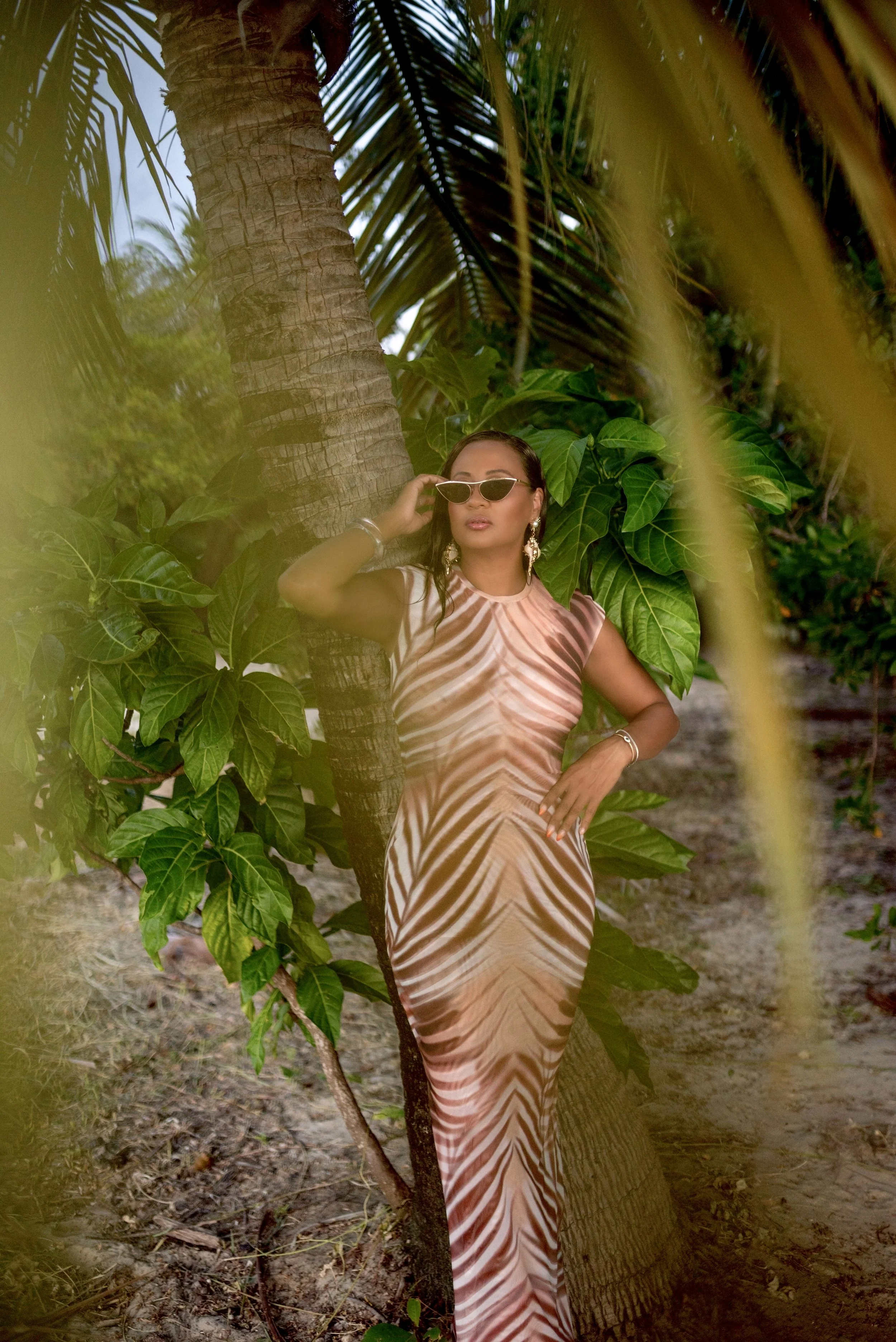
European summer style looks effortless in photos.
A long dress. Flat sandals. Sunglasses. A small bag. Maybe a little jewelry.
What those photos usually leave out is the practical side of getting dressed somewhere hot, walkable, unfamiliar, and often much more physically demanding than your normal day at home.
A beautiful dress can become useless very quickly if it wrinkles beyond recognition, drags across cobblestones, requires a bra you didn’t pack, feels too sheer in direct sunlight, or only works for one dinner reservation.
The best European summer dresses are not necessarily the most dramatic ones.
They are the ones that make travel easier.
They breathe well, move comfortably, work with the shoes you can actually walk in, and can be worn more than once without feeling repetitive.
If you are shopping for a trip to Italy, Spain, France, Greece, Portugal, Croatia, or anywhere else with long summer days and plenty of walking, these are the things worth paying attention to before adding another dress to your suitcase.
Start With the Climate, Not the Aesthetic
“European summer” gets treated like one uniform climate online.
It isn’t.
A July afternoon in Rome can feel completely different from an evening on the coast of Portugal. Southern Spain can be intensely hot and dry. Greek islands can be warm but windy. Northern European evenings may cool down considerably.
Before choosing dresses, look at three things:
Average daytime temperature
Humidity
How much walking you expect to do
A fitted synthetic dress might look incredible at dinner and feel miserable during four hours of sightseeing.
Likewise, an extremely lightweight dress may be perfect at noon but leave you wishing you had another layer after sunset.
If you will be outside for most of the day, comfort and breathability should carry more weight than how good something looks standing still in a mirror.
Fabric Matters More Than People Think
A dress can have the perfect silhouette and still be a bad travel purchase because of the fabric.
For hot weather, natural fibers like linen and cotton are popular for good reason. They tend to breathe well and feel comfortable against the skin.
But they come with tradeoffs.
Linen wrinkles easily.
Cotton can hold moisture.
Viscose and rayon often drape beautifully but can vary dramatically in quality and durability.
Mesh can be surprisingly comfortable because it is lightweight, but opacity becomes something you need to think about.
Polyester tends to resist wrinkles and can travel beautifully, but some versions trap heat more than others.
There is no universally “best” fabric.
The better question is:
What job does this dress need to do?
For daytime sightseeing, prioritize breathability and ease.
For dinners, you may care more about drape and movement.
For a dress you want to wear from afternoon into evening, look for a balance between both.
The Most Useful Dress Is Usually the One With a Little Movement
Very structured dresses can look beautiful, but they are not always the easiest travel pieces.
A dress with some movement tends to adapt better to the realities of vacation.
Walking.
Sitting outside.
Taking stairs.
Getting in and out of cars or trains.
Eating a long dinner.
A flowing midi or maxi can also feel polished without requiring much styling.
That is one reason printed maxi dresses work so well for European summer outfits. They create visual interest through movement and pattern rather than requiring multiple layers or accessories.
Maxi, Midi, or Mini?
Each length solves a different problem.
Maxi dresses
Maxis often photograph beautifully and transition well into evening.
The downside is practicality.
If the hem nearly touches the ground, think honestly about where you will be wearing it. Historic cities often mean uneven sidewalks, stairs, and cobblestone streets.
Always try a maxi on with the exact shoes you plan to travel with.
Midi dresses
Midi dresses are probably the safest all-around option.
They feel polished enough for dinner but are easier to walk in than full-length dresses.
They also work particularly well if your trip includes both cities and coastal destinations.
Mini dresses
Minis are useful in very hot weather and take almost no suitcase space.
But they can be less versatile if your itinerary includes religious sites, more conservative settings, or restaurants where you want a slightly more polished look.
Ideally, your suitcase contains a mix rather than five dresses doing exactly the same job.
Check Whether Your Itinerary Requires More Coverage
This is one of those practical details people often remember after they arrive.
Many churches, cathedrals, monasteries, and religious sites throughout Europe expect shoulders and knees to be covered.
Rules vary significantly by location, and enforcement varies too.
If visiting churches is part of your itinerary, having at least one midi or maxi dress with appropriate coverage makes things much easier.
A lightweight scarf or layer can also solve the shoulder issue without requiring an entirely separate outfit.
The point is not dressing conservatively for your entire trip.
It is avoiding the moment where the one place you really wanted to visit has a dress requirement you did not plan for.
Pay Attention to Opacity Before You Pack
A dress can look completely opaque indoors and become surprisingly transparent in Mediterranean sunlight.
This is particularly relevant with:
White dresses
Lightweight linen
Mesh
Fine knits
Pale fabrics
Unlined skirts
Try your dress on near a window in direct daylight before packing.
If possible, photograph it.
Your phone camera can sometimes reveal transparency more clearly than a mirror.
If you need a slip, nude underwear, shapewear, or another underlayer, decide that at home rather than after you arrive.
The Bra Test Is Just as Important
A vacation dress that requires specialty underwear is not automatically a bad choice.
But you need to know that before it goes into the suitcase.
Low backs, unusual straps, sheer panels, deep necklines, and open sides can all create bra problems.
Put on the complete outfit before traveling.
Not just the dress.
Wear the bra, underwear, shoes, and any shapewear you expect to use.
Walk around.
Sit down.
Look at the outfit from the back.
The goal is to remove surprises.
Don't Buy Five Versions of the Same Dress
This is one of the easiest ways to overpack.
You find a silhouette you like and suddenly pack:
A white linen midi.
A beige linen midi.
A black linen midi.
A printed linen midi.
They may technically be different dresses, but they serve almost exactly the same purpose.
A more useful summer wardrobe has different roles.
For example:
One simple daytime dress.
One printed dress.
One slightly elevated dinner dress.
One casual piece that works over swimwear.
One versatile dress that can do both day and evening.
That gives you considerably more outfit range without requiring more clothing.
A Printed Dress Is One of the Easiest Ways to Add Variety
A mostly neutral suitcase makes packing easier because everything coordinates.
But completely neutral wardrobes can also start looking very similar in photos.
One printed dress solves that quickly.
It brings color and movement into the wardrobe while allowing shoes, bags, and jewelry to remain simple.
I would generally choose a print with a relatively controlled palette rather than one involving many unrelated colors.
That makes it easier to repeat accessories.
For example, a dress like the AFRM Mylo Dress in Kissing Palms works well in this role because the print carries the outfit on its own. You can keep everything around it understated and still have a look that feels complete.
That is exactly what you want from a statement piece in a small suitcase.
Think in Terms of Outfit Repetition, Not Clothing Repetition
There is nothing wrong with wearing the same dress twice on vacation.
Most people will not notice.
And even if they do, it does not matter.
The trick is making the outfit feel slightly different.
A printed maxi with flat sandals and a larger bag reads differently from the same dress with a heel, smaller bag, and jewelry.
The dress hasn't changed.
The context has.
This is one of the most useful principles for packing light.
Instead of asking:
How many outfits can I bring?
Ask:
How many outfits can I create from the things I bring?
Your Shoes Should Decide More Outfits Than Your Dresses
Shoes are heavier and more annoying to pack than clothing.
They should be doing a lot of work.
For most European summer trips, three categories cover an enormous amount:
A comfortable walking shoe
A flat or low sandal
A dressier shoe you can still realistically walk in
If every dress requires a different pair of shoes, your packing system is working backward.
Choose the shoes first.
Then make sure your dresses work with them.
This also protects you from packing outfits that look beautiful in your hotel room but make no sense for the actual city outside.
Cobblestones Change the Heel Conversation
A delicate high heel can look beautiful with a maxi dress.
It can also become an extremely poor choice on an uneven historic street.
Block heels, low heels, wedges, and flat sandals tend to be much more forgiving.
If you have dinner somewhere that involves a taxi directly to the door, you obviously have more flexibility.
But if your ideal evening includes wandering through town before dinner, choose accordingly.
Good vacation style should make the trip more enjoyable, not restrict where you can walk.
You Need Fewer Accessories Than You Think
A visually interesting dress rarely needs much help.
One of the fastest ways to make a summer outfit feel overworked is combining:
A statement dress.
Statement earrings.
A statement necklace.
A colorful bag.
Complicated shoes.
And oversized sunglasses.
Choose where the visual interest is coming from.
If the dress is printed, accessories can usually become quieter.
If the dress is simple, that is when jewelry or a stronger bag has more room to matter.
This creates outfits that feel intentional instead of assembled.
Think About Dinner Before You Buy a “Day Dress”
The most efficient European summer dresses can handle both.
A dress worn with flat sandals during the afternoon may only need a shoe change and a smaller bag to work for dinner.
Those are the pieces worth prioritizing.
A good test is:
Would I feel comfortable walking into a nice restaurant in this?
If yes, you probably have a versatile piece.
If it only works at the beach or only works at a formal dinner, it may still deserve a place in your suitcase, but it should be filling a very specific role.
Avoid Buying for the Fantasy Version of Your Trip
This is probably the biggest packing mistake.
You imagine slow breakfasts overlooking the sea.
Late dinners.
Beautiful hotels.
Walking through old villages.
So you buy a wardrobe for exactly that trip.
Then your actual itinerary involves:
A 7:00 a.m. train.
Three hours of walking.
A museum.
A crowded bus.
A very hot afternoon.
And dinner where you are too tired to change.
Buy clothes for what you are actually doing.
If the trip is mostly sightseeing, prioritize dresses you can comfortably walk in.
If it is mostly resort-based, your wardrobe can be much more relaxed.
If the trip centers around restaurants and nightlife, evening versatility matters more.
The best vacation wardrobe reflects the itinerary rather than the fantasy.
Photograph Every Dress Before Packing It
This sounds unnecessary until you try it.
Before your trip, put on every dress with the shoes and accessories you expect to wear.
Take a quick mirror photo.
You'll immediately notice:
Which combinations actually work.
Which shoes make a hem too long.
Which underwear shows.
Which bag doesn't coordinate the way you imagined.
Which outfit needs absolutely nothing else.
You also end up with a small visual outfit guide on your phone while traveling.
That can make getting dressed much faster.
The Best European Summer Dress Is the One You Forget About Once You Put It On
A beautiful vacation outfit should help you enjoy where you are.
It shouldn't require constant adjustment.
You shouldn't be pulling the neckline up.
Holding the hem off the ground.
Wondering whether the fabric is transparent.
Thinking about whether your shoes are going to hurt in twenty minutes.
The most useful European summer dresses tend to have the same qualities:
They feel comfortable in the climate.
They work with shoes you can actually walk in.
They require minimal styling.
They can be worn more than once.
And they feel appropriate in several different settings.
That is what makes a dress worth the suitcase space.
Not whether it perfectly matches whatever version of “European summer” happens to be trending online.
The best travel clothes are the ones that let you get dressed, leave the hotel, and stop thinking about your clothes entirely.